
Brands Untapped: From Glimmers to a Way of Life
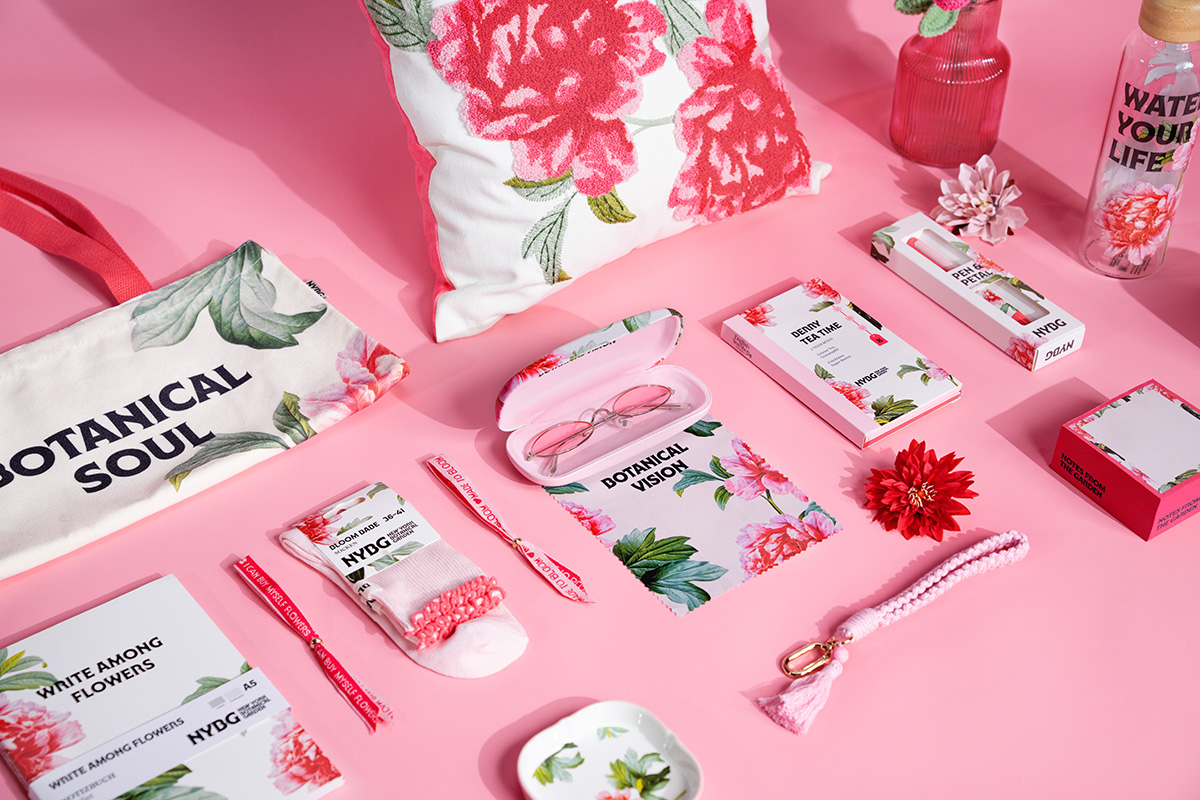

There’s a quiet revolution happening on retail shelves – and it doesn’t look like a revolution at all. It looks like a kitchen towel printed with a vintage botanical illustration. A tote bag carrying the bold geometric language of one of America’s most visionary architects. A ceramic-mug collaboration with an independent artist whose work you discovered and couldn’t stop thinking about.
These glimmers – small, radiant moments of joy embedded in the objects of everyday life – are fast becoming one of retail’s most powerful strategic currencies. The concept of glimmers emerged as a defining emotional trend of 2026: those micro-moments of delight, beauty or connection that interrupt the noise of modern life and remind us that the world still has warmth in it.
According to WGSN’s consumer forecasting, 88% of consumers say experiencing joy is important to their wellbeing – and brands associated with joy are 4.3 times more likely to earn a purchase. But as we move towards 2027, the conversation is evolving.
Consumers are no longer satisfied with stumbling upon joy accidentally. They want to architect it – to build it deliberately into their homes, wardrobes and daily rituals. WGSN calls this shift ‘Strategic Joy’: the intentional embedding of play, beauty and positive emotional experience into products and spaces that surround us. This is precisely where licensing becomes not just relevant, but essential.
When most people think of licensing, they think of character licensing – beloved franchise IP splashed across children’s backpacks and holiday merchandise. Corporate brand collaborations come to mind next: the streetwear drop, the fast-food partnership, the celebrity-fronted capsule collection. These have their place. But the most resonant, lasting expressions of Strategic Joy in retail are increasingly coming from a different category of licensing entirely: design-based brands, heritage properties and art.
Consider what a heritage brand brings to a product. When a retailer collaborates with the New York Botanical Garden, they’re importing 130 years of horticultural passion, scientific wonder and breathtaking visual archives into objects that people will use every day. NYBG’s licensing program does something remarkable: it makes the act of brewing a cup of tea or setting a dinner table feel like a small communion with the natural world.
That this resonates far beyond specialty retail is already being proven at scale: NYBG licensed products – alongside those of MFA, Boston – are currently on shelves at TJX stores across the United States. That’s design-led, heritage-rooted joy reaching everyday consumers at accessible price points – exactly where Strategic Joy needs to live to fulfill its promise as a mass emotional driver.
Design-based brands operate with equal but distinct power. The Frank Lloyd Wright Foundation carries the visual and intellectual legacy of an architect who spent a lifetime insisting that beauty and function were inseparable; that the spaces and objects surrounding us shape who we become. His iconic geometric motifs and organic design principles feel urgently contemporary precisely because they were always ahead of their time.
Wright-licensed products don’t just decorate a home; they make a quiet statement about how life should be lived. That kind of depth is exactly what today’s most discerning consumers are seeking: objects that carry meaning, reward attention and feel like they were made with intention.
Where heritage and design brands build joy through legacy, art licensing builds it through presence – the direct transmission of a human sensibility into an object. Consumers craving authenticity and creative self-expression are drawn to products that carry a genuine point of view; something that feels considered rather than manufactured.
Art-driven collaborations deliver that quality in a way that’s visceral and personal, turning everyday products into small acts of cultural participation. It’s a dimension of the licensing world that continues to expand in sophistication and retail reach – and one Jewel is actively developing, most recently with the signing of Printfresh, who’ll make its licensing debut at Licensing Expo this May. Because joy is so tightly tied to cultural moments, the work of translating trend into art matters enormously. Jewel’s in-house trend work flows directly into its community of over 40 artists from around the globe, giving creatives the emotional and cultural context to develop work that resonates in the moment. The result is art that doesn’t just look beautiful – it feels relevant. That same current of trend-to-art thinking is also available to manufacturers and retailers directly, as a resource for developing original work that connects with where consumers are headed next.
For retailers and product developers, the opportunity is clear. Joy is no longer a seasonal campaign or a feel-good footnote: it’s a business strategy. And it’s best served not by chasing the loudest IP, but by curating the most meaningful ones.
Whether rooted in a century of botanical scholarship, the enduring genius of a design visionary, or the authentic voice of an art-driven brand, these are the licenses that don’t just catch a consumer’s eye. They earn a permanent place in their life.