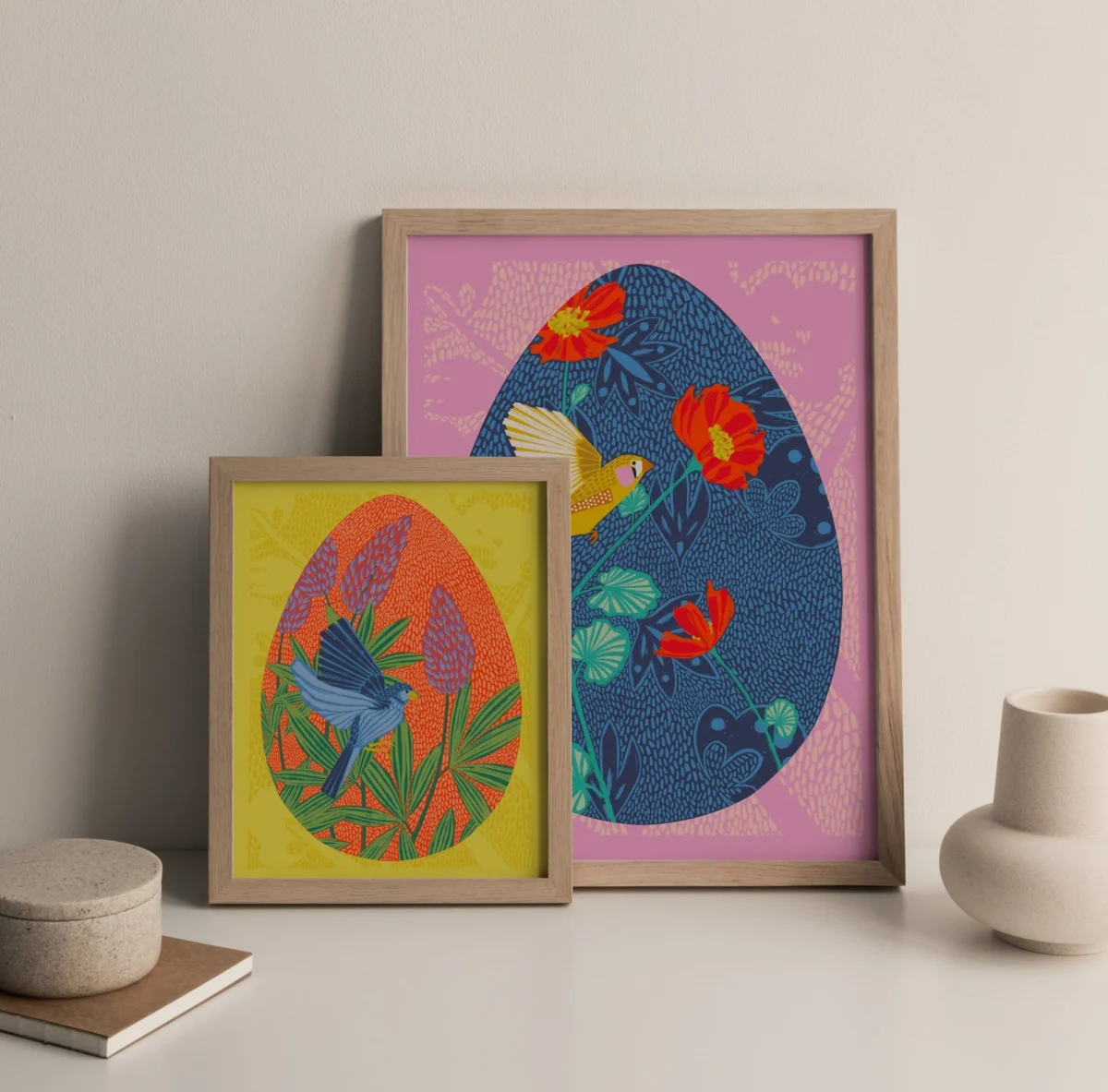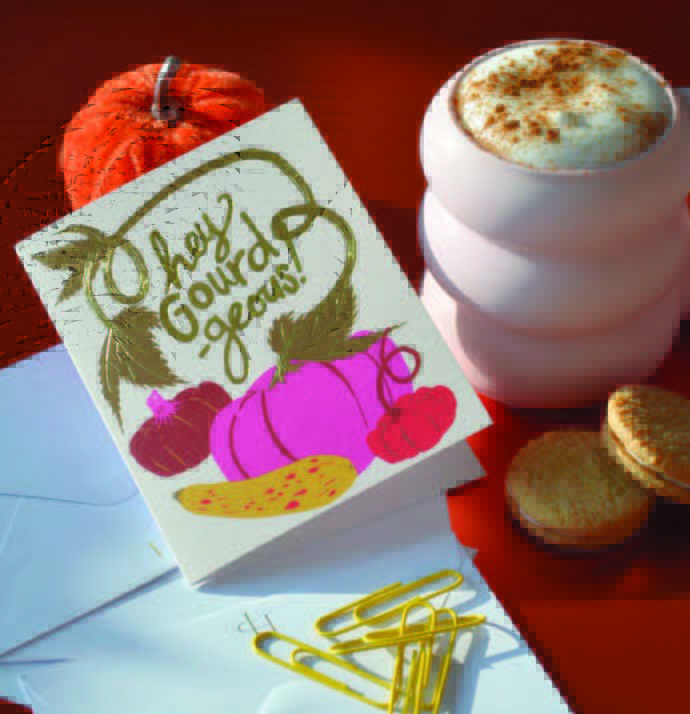
Artist Spotlight: Hannah Beisang
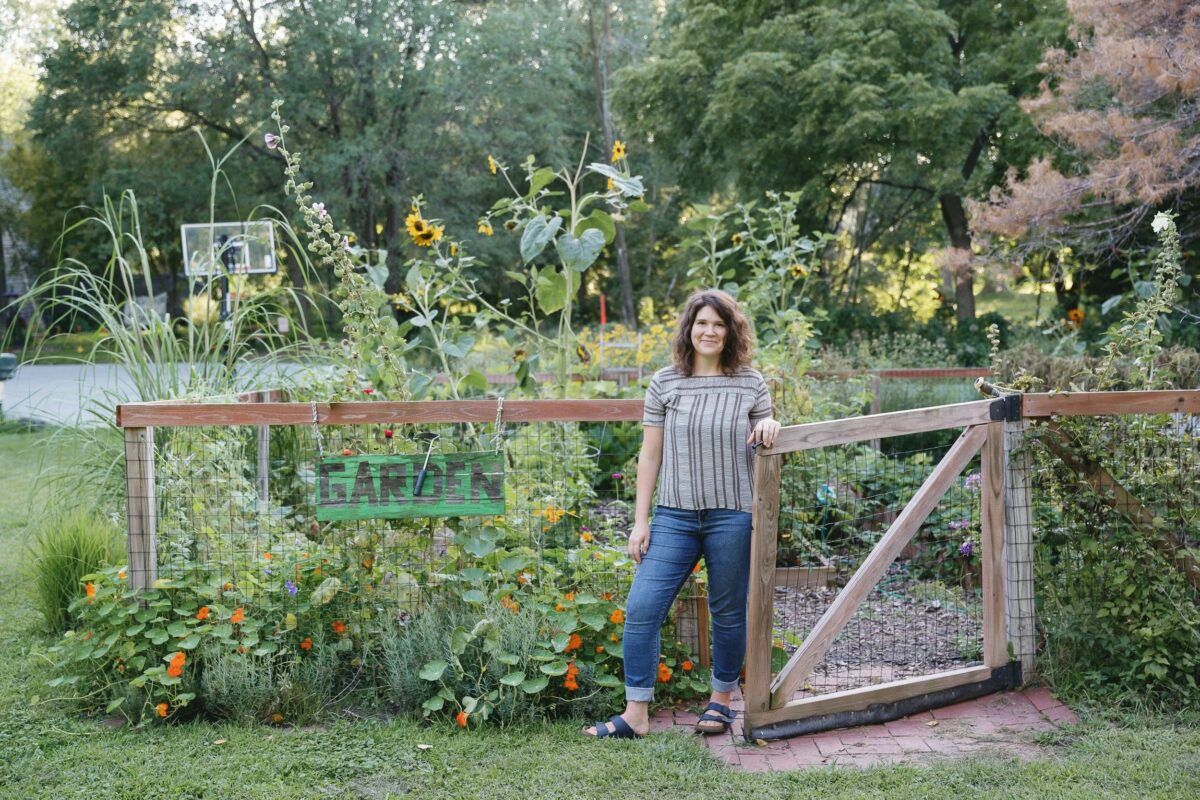
Hannah Beisang Finds Hope in the Everyday
Twin Cities, MN artist on plants, patience, and letting go of what a piece of art is “supposed” to become


What Licensing Taught Her
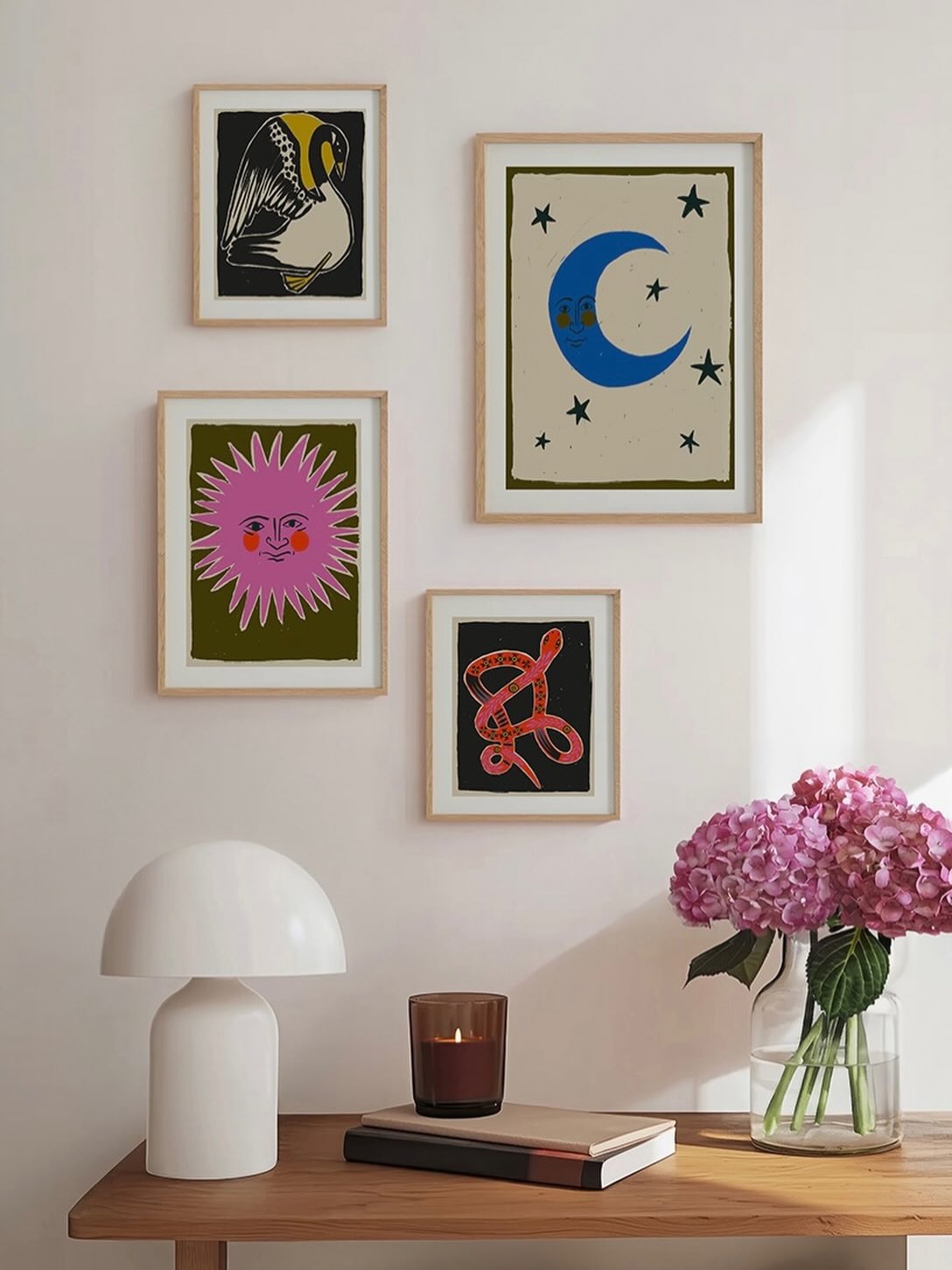
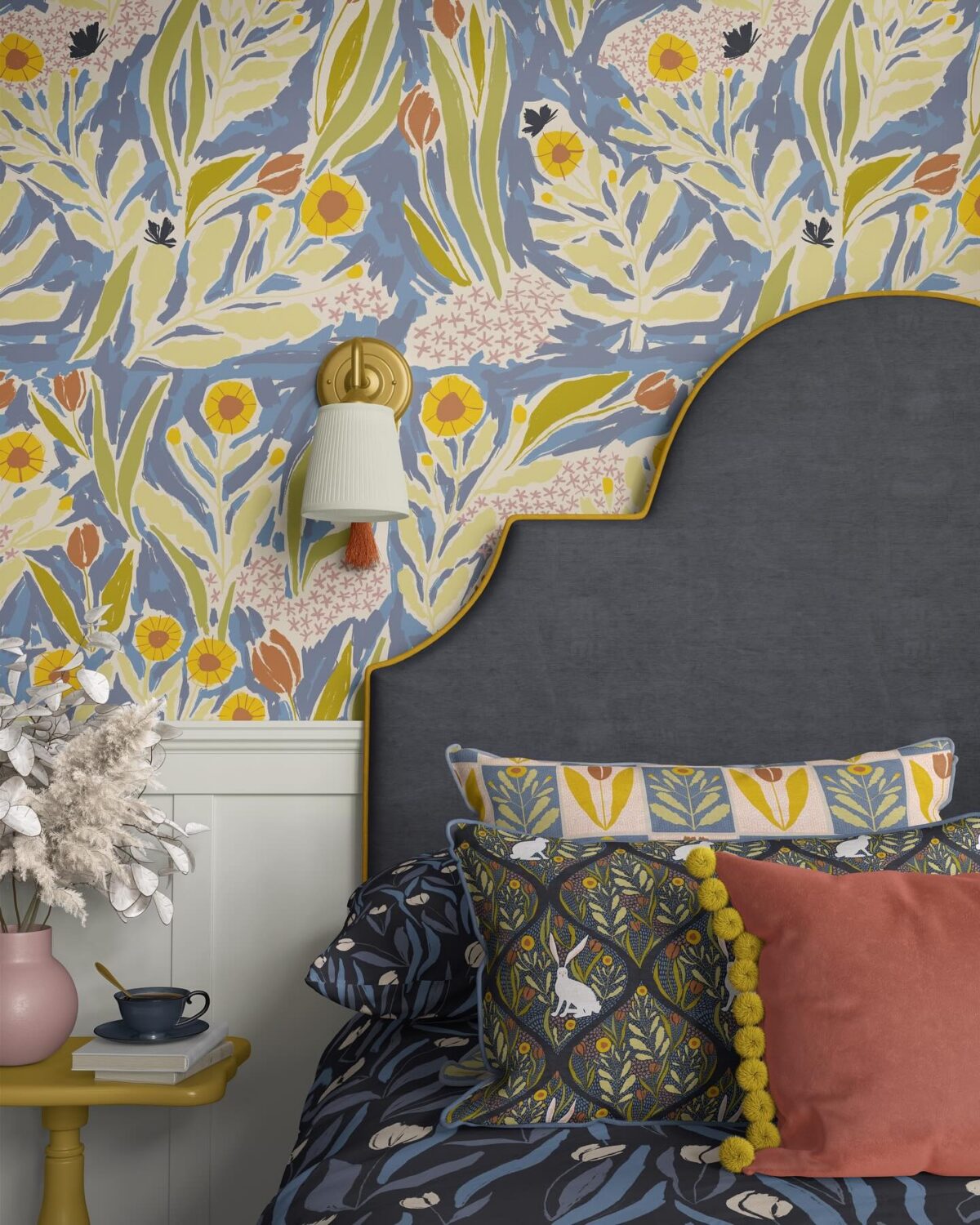
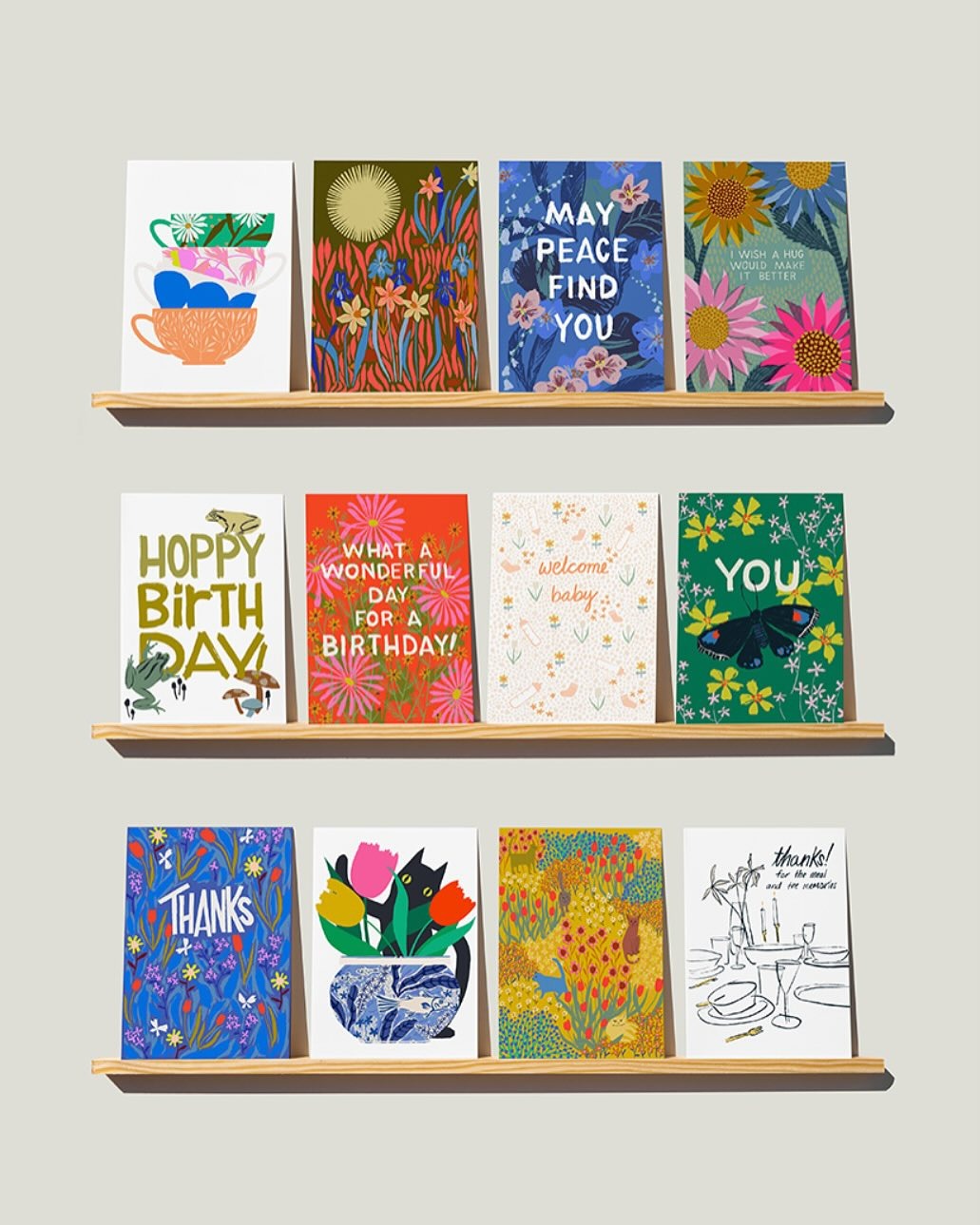
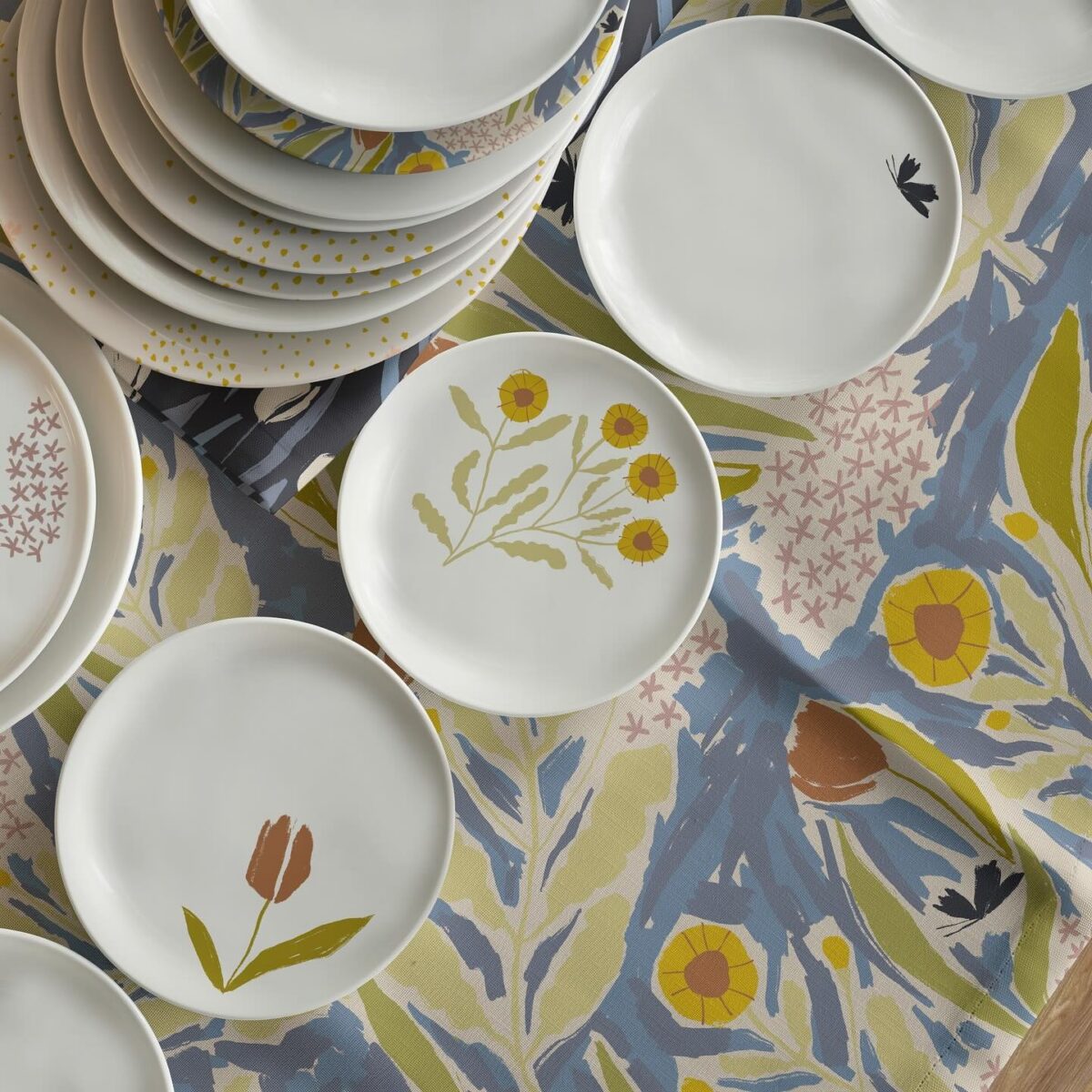
Seeing her own art on a product for the first time is a moment a lot of artists describe as surreal. For Hannah, it was also humbling. “That it looked better than I even imagined,” she says, “because someone else’s imagination believed that my art should be on that object.”
That experience shaped the advice she’d give to any artist just starting to license their work: stay open. “Don’t try to control what items are ‘right’ for your art to be,” she says. “There is a wide, wide world of opportunity, you just have to be open to it.”
Reading the Room on Trends
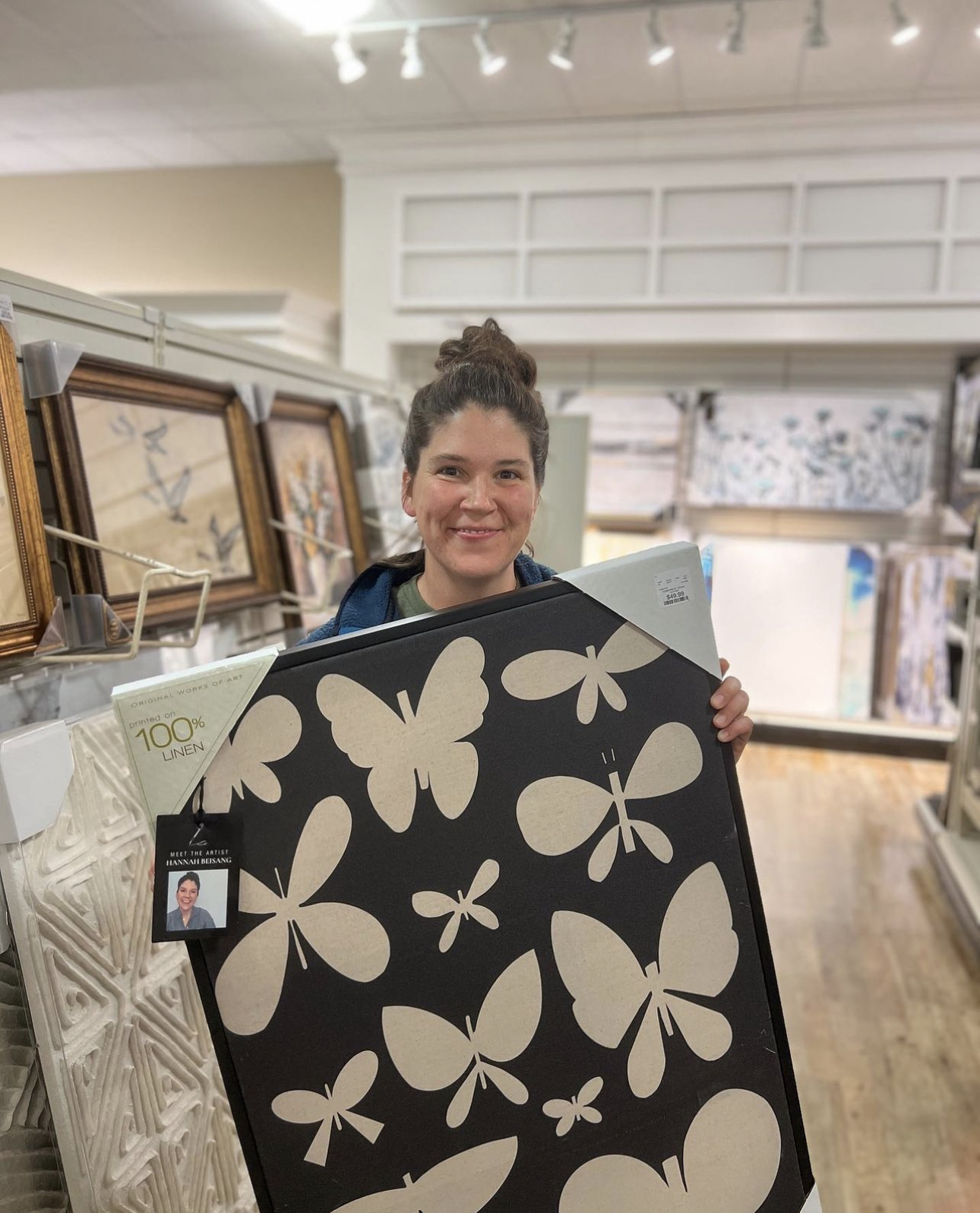
With years in the industry, Hannah has developed her own gut check for whether she’s creating from a genuine place or just chasing a trend. “Usually with trends, I can tell if I am chasing it by how hard it is for me to draw it,” she says. “If it comes easily, generally, not chasing, just creating!”
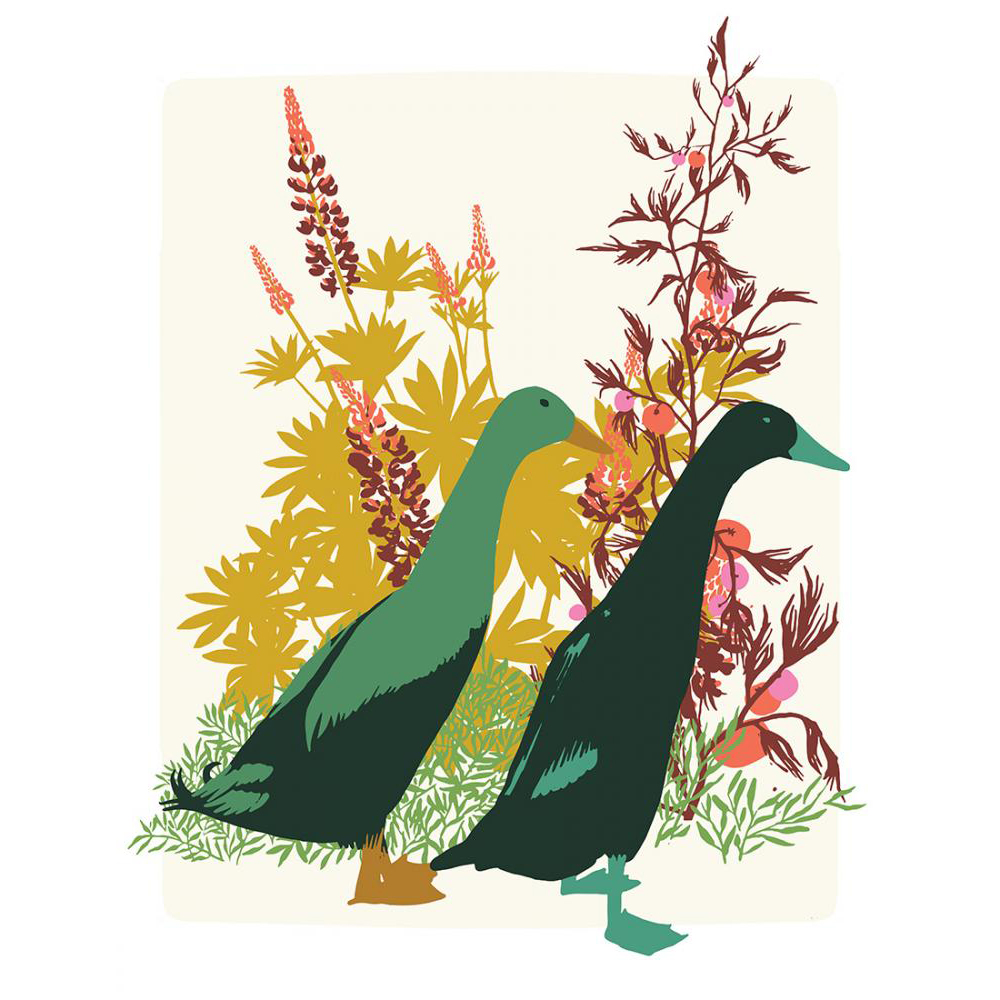
Her forecast for what’s next: warm brown. “I think earthy and organic seems to be trending,” she says. “Also, the ’70s through ’90s all had some interpretation of a warm brown, so I think it’s coming back to visit.” And while she’s ready to see the last of sardine motifs (“I don’t get it, I tried, but I don’t”), she’s holding out hope for a ’90s kitchen classic to make its return: ducks. “Fingers crossed that they do.”
Behind the Scenes
A typical workday for Hannah involves coffee and a steady stream of BBC murder mysteries — “playing for the umpteenth time in the background,” she admits. And one of her sharpest creative tools didn’t come from art school at all: sewing. “Size of patterns matters a lot depending on what you are sewing, so I feel like this is super useful when it comes to scale and composition,” she says — a reminder that the skills that sharpen an artist’s eye don’t always look like art.
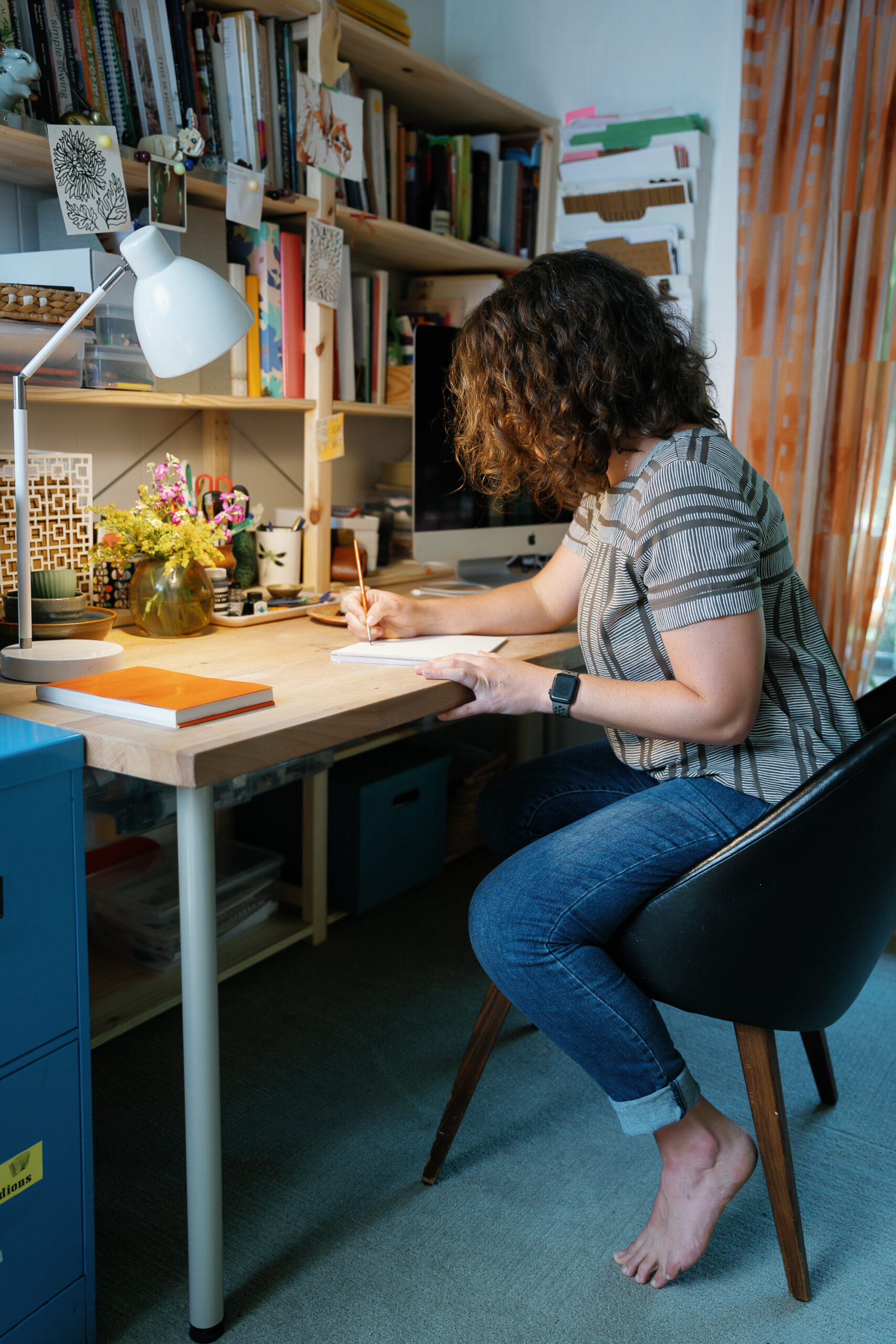
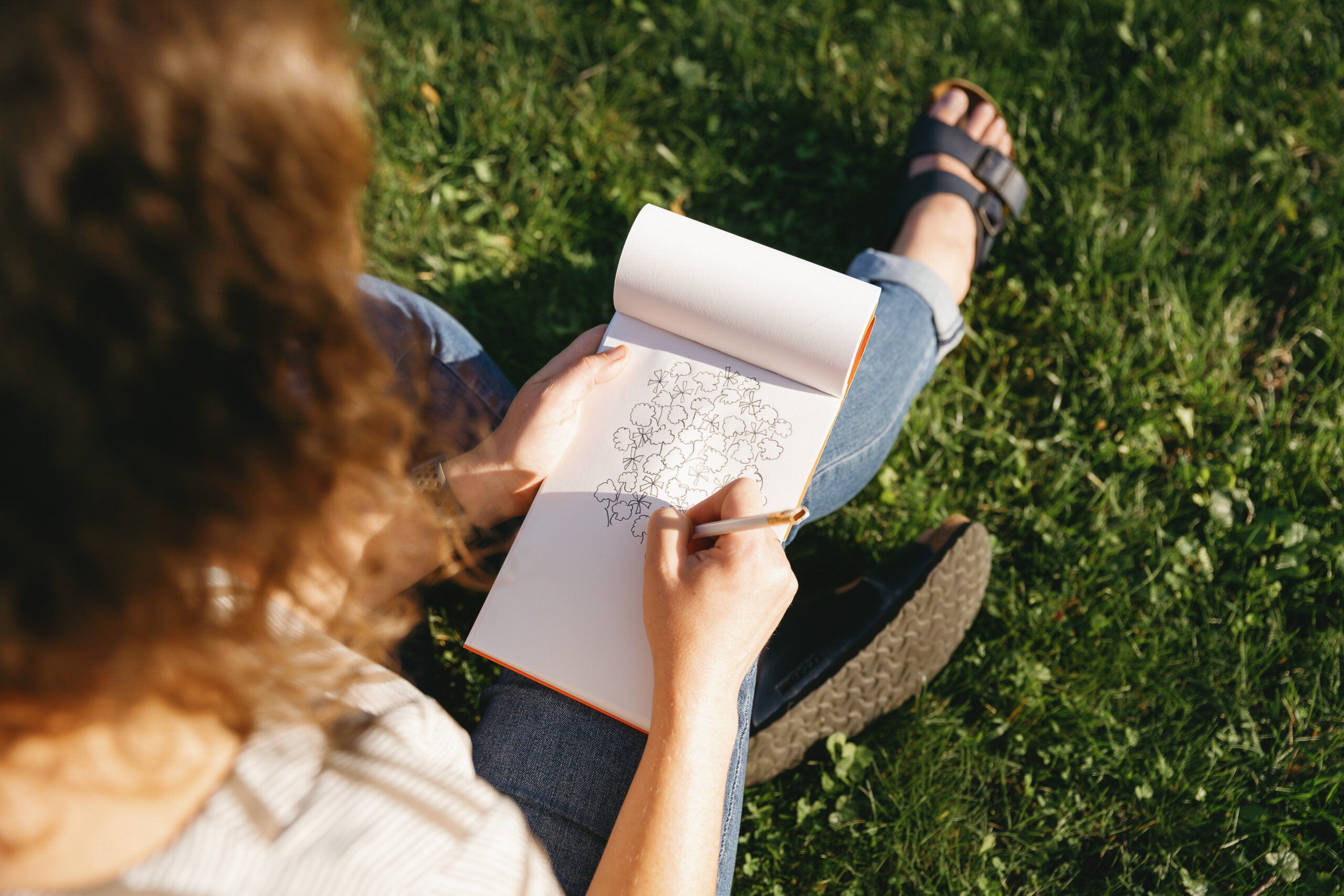
From quick thumbnail sketches to finished products on store shelves, Hannah Beisang’s work keeps circling back to the same idea: art that’s rooted in something real — nature, memory, shared experience — travels the farthest. And whatever it lands on next, she’ll be ready for it.
Season’s Storytelling